


Project diary 2012
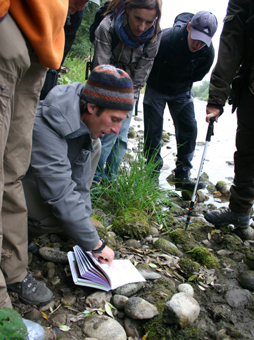
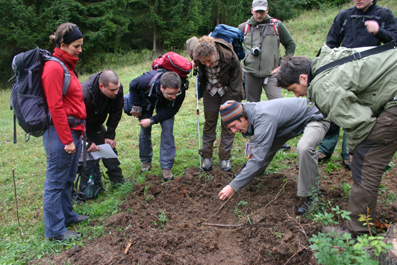
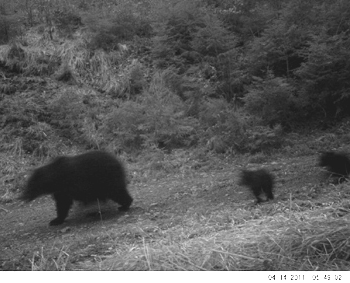
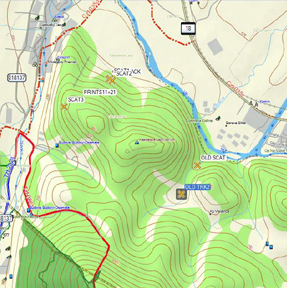
September According to Louis Liebenberg, an Associate of Human Evolutionary Biology at Harvard University and author of "The Art of Tracking: The Origin of Science", ancient tracking skills can and should be revitalised and developed into a new science with far-reaching implications for nature conservation. Surveys of tracks and other sign left by animals are an effective means of monitoring wildlife because they are low-cost, non-invasive (i.e. they do not require animals to be handled or even directly observed), quick to conduct and provide a broad range of information. However, it is important for reliable data collection that signs are identified accurately and consistently.To improve our own practical tracking skills, we hosted a rigorous field-based training course led by David Moskowitz, a certified Track and Sign Specialist Evaluator for Cybertracker Conservation. The two-day event followed the format used during professional Track and Sign Certification events. David asked participants to review the tracks and sign of any and all species encountered in the field, whether big or small, clear or obscure. Everyone formulated his or her own interpretation of a specific set of tracks or sign: which animal left them, was it walking or running, which track belonged to which foot? A discussion then followed of the key distinguishing features to look for, methods of interpretation and any similar sign that could cause confusion. It all made for a highly educational and enjoyable experience.

August
A local hunter allegedly saw a bear in the forest above the vineyards of Svätý Jur at the end of the month. Rumours and opinions quickly began to spread such as "the last time bears lived in this area was around the year 1600" and "the occurrence of a bear in this region is a clear sign that these animals are over-populated".
The occurrence of the brown bear in the Malé Karpaty Mountains has not been common in recent years. It still lived there normally in the 19th century, but was subsequently eradicated by people. However, there have been occasional occurrences since. Well-known Slovak hunter and author Pavel Hell, writing in his 1999 book "The Bear in the Slovak Carpathians and the World", stated that: "...in Austria, too, a female bear with two cubs was seen in 1982 not far from Vienna, which had probably come through the Malé Karpaty." Dr. Georg Rauer, who works on the management of large carnivores at the Research Institute of Wildlife Management, Vienna University of Veterinary Medicine, informs us that on 12 July 1982 two different people claimed to have seen a female bear with 2 or 3 cubs close to Marchegg and on 14 July 1982 a single bear and a female with cubs were observed by two persons at the Bisamberg close to Vienna. Newspaper articles at the time reported that hunters found tracks. Therefore we do not agree with the opinion that the area of the Malé Karpaty is not the "natural" home of bears. Whether people are willing to tolerate them there in the 21st century is, of course, a different matter.
July
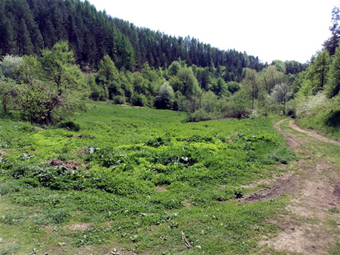
Sásovská Valley falls within the Starohorské Mountains, which form a natural interface between Veľká Fatra, Kremnické Mountains and the Low Tatras. Within the "Pohoda za mestom 2012" grant programme, Banská Bystrica town has received support to implement the project Sásovská Valley - a green place for relaxing. In cooperation with a youth group they are planning to install small-scale infrastructure, repair a water feature and introduce rules for the sustainable use of the area with the aid of information panels. As the whole area is included in the Low Tatras National Park buffer zone, representatives of the Park had some requirements: "It is essential to implement refuse containers so that their contents are not accessible to wild animals, particularly the brown bear, which occasionally wanders through the site and would be encouraged to visit more often by easily accessible refuse; likewise it is necessary to arrange for regular refuse removal so that it does not accumulate." It's wonderful to see that the message is finally getting through! The town asked us for help and we gladly went to see.


June
The issue of bears getting into rubbish bins in the High Tatras is again in the news. Last year, we shipped one of the most common types of container to the USA for assessment by the bear-resistance container testing program. The experts confirmed that it is unsuitable for areas with bears and needs to be completely redesigned. Nevertheless, with so many of them in use in Slovakia as well as elsewhere, Gregg Losinski of the Interagency Grizzly Bear Committee, Jeff Crighton at Haul-All Equipment Ltd. and their colleagues are working to develop a modification that can be retrofitted to existing bins.What is needed in the medium- to long-term, however, is a vastly improved system of waste storage and disposal throughout the Tatras together with a clear and consistent education campaign to raise awareness among residents and visitors of the need to prevent bears and other wildlife from getting access to non-natural food. Examples that could serve as models include the successful programmes in the towns of Canmore and Banff, where the conclusion has been that: "The most effective way we can help protect both bears and people is to never allow any garbage or human food to be accessible to bears."




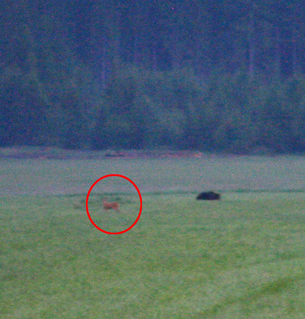

...and he was right. An adult bear, possibly a female, walked the full width of a large open meadow, passing within a few metres of a roe deer which appeared to be completely unconcerned. A few minutes later another, obviously younger, individual crossed in the same place at a canter; perhaps it was a juvenile trailing after its mother. As if that wasn't enough, a short while afterwards a third bear took the same route as the others. This was a large one and it moved slowly and deliberately, alternately raising its head and lowering its nose to the ground, suggesting it might have been an adult male following a potential mate (the breeding season is underway). For all of us, but especially 8-year old Matúš and 3-year old Jerguš, it was a spectacular experience.

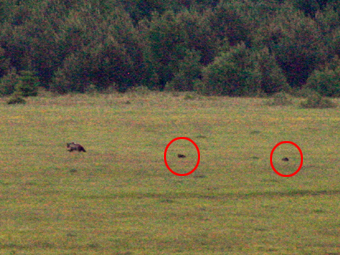
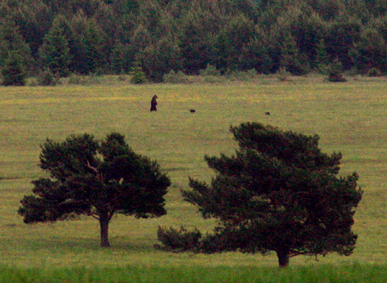
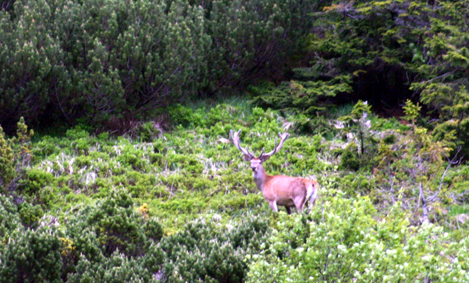
Two days later we returned to the same area with our next guests and watched a mother bear with two young cubs feeding at the forest edge. Suddenly, they were spooked by an approaching vehicle and fled across the meadow, the female rearing up on her hind legs and peering anxiously back to see if they were being pursued while her cubs bowled along behind, trying to keep up with her. We then spent two full days walking through Nízke Tatry National Park, covering the full length of Jánska and Štiavnická Valleys and emerging onto the ridge below Ďumbier, where we saw chamois, marmots, golden eagles and a red deer stag, before descending back into the subalpine and montane forest zones. The distribution of field signs clearly confirmed that bear activity is currently concentrated in low-lying areas - meadows and valley bottoms - which is where most food is available at this time of year.

May
Once again we have been very successful at finding bears for our wildlife watching clients at this time of year. Guide Peter Bedo writes: "It was worth going out at 3:30am, first thing Jon saw was a female bear with a cub. We later all saw another bear running across the open fields in plain view. We saw a lot of red and roe deer, some great views of foxes hunting for mice (at least three different ones), and a pair of lesser spotted eagles." With Kurt and his group, we photographed a mother and yearling cub digging for ants in a meadow 180 metres away from us (as measured with a laser rangefinder bought for our chamois monitoring project next month). And we also have a new record for the youngest participant in our wildlife watching programme: for a 4-year old, he did a great job of keeping quiet!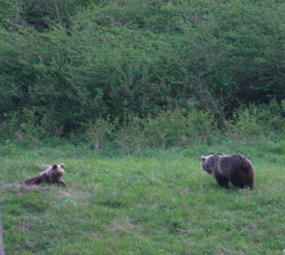


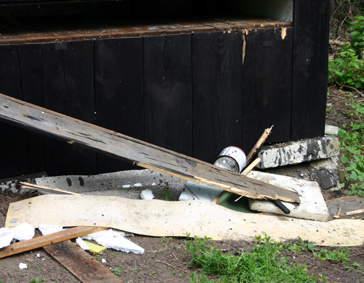


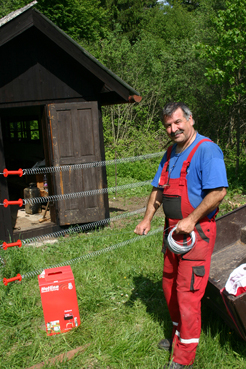
Not wanting to risk further damage, we worked with Mr. Uličný to set up a Hotline electric fence the same day and are monitoring the site for any signs of a return visit. This is the sixth electric fence we have set up since October 2008. So far, they have all been 100% effective at keeping bears out.


April
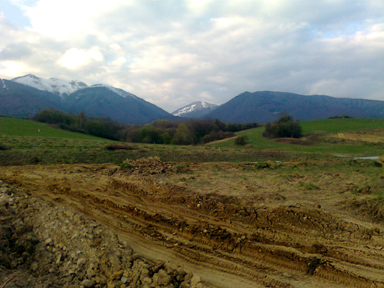
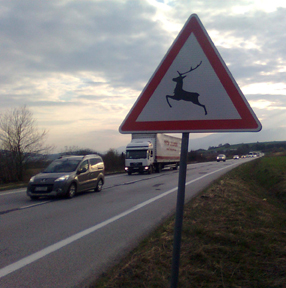
Interest in bear spray has picked up and we have received several substantial orders. It seems that, four years after we first made it available in Slovakia, people are starting to recognise its value. And so they should: an independent assessment found that 98% of people who used it during an encounter with a bear in the wild escaped injury (the remaining 2% were only lightly injured) and none of the bears involved was killed.On the way back from delivering bear spray to a state company in Bratislava, I stopped at a site near the village of Turany where work has started on a new section of the D1/E50 highway. With funding from the EU, a large intersection is to be built on top of an important wildlife travel route, currently marked by a sign warning motorists of animals crossing. Results of genetic analyses obtained by Martin Straka and prof. Ladislav Paule at Zvolen Technical University and their co-authors suggest that this is one of the last places where bears and other large mammals are able to move between Malá Fatra and Veľká Fatra National Parks. It is very unfortunate that the intersection is to be located here and it is of vital importance that it incorporates a wildlife crossing structure in order to maintain linkage of wildlife populations.


March
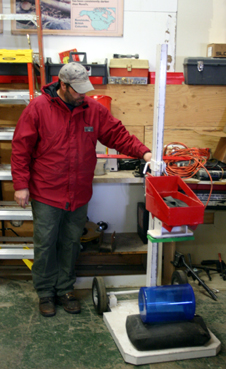
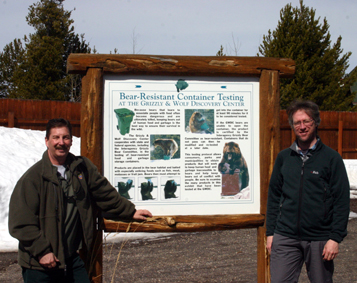
Thanks to a travel grant kindly provided by the Living with Wildlife Foundation I was able to take part in the 4th International Human-Bear Conflicts Workshop in Missoula, Montana. This sell-out event was attended by many of the world's top experts on the most effective methods to prevent damage and reduce risks for both people and bears. In addition to preparing a poster presentation, I was invited to give a talk on our "Experiences with human-bear conflicts in the Carpathian Mountains of Slovakia". Naturally, most of the 300 participants were from the USA and Canada, but there were also people from as far away as Finland and Japan. It was striking that across such a diversity of locations, many of the issues and potential solutions were the same. The importance of securing attractants (food and refuse) from bears was repeatedly emphasised. We had the chance to see practical demonstrations of the latest types of bear-proof bins and the most effective designs of electric fencing.
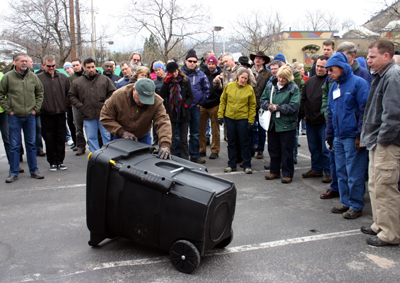
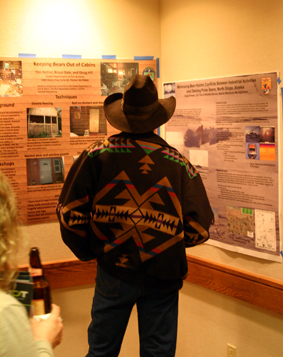
Attending the workshop was a great opportunity to see more of the Rocky Mountains and some of the ground-breaking work being done there on large carnivores in Alberta, British Columbia, Montana, Idaho and Wyoming, not only in protected areas but also in the surrounding farming communities, where the expansion of grizzly bear and wolf populations has led to many of the same issues we deal with in Slovakia. In the Blackfoot watershed I met several cattle ranchers living with large carnivores. Tom, for example, had to contend not only with brown (grizzly) bears on his property but also wolves, black bears (Ursus americanus), coyotes and even mountain lions (Puma concolor). Nevertheless, wise husbandry and well constructed electric fencing had eliminated most of his predator problems. My personal thanks for their hospitality go to everyone who helped make it such a memorable and valuable trip, especially Mike Gibeau & family, Gregg Losinski & family, Seth Wilson & family, John Paczcowski, Steve Primm, Steve Michel, Steve Cain and Kate Wilmot.



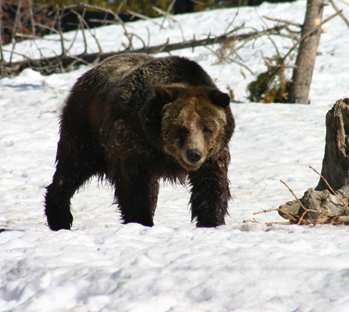
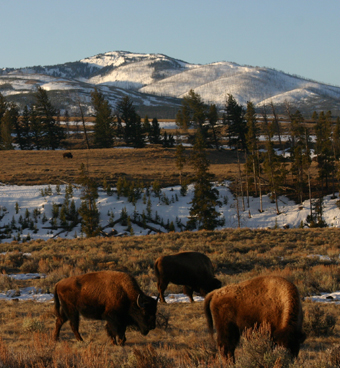
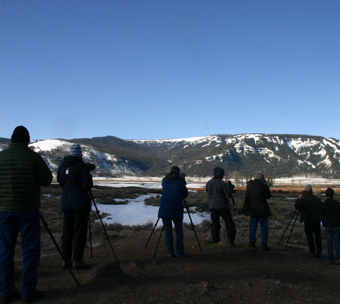
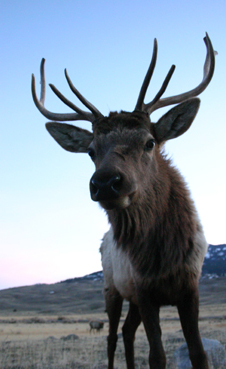
Photographs: Seth Wilson, Ben Losinski, Robin Rigg

February
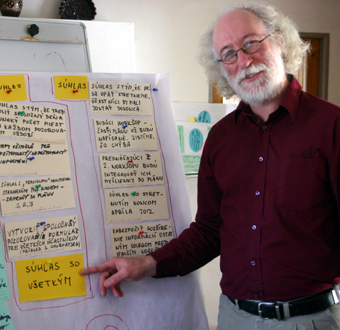
Our third bear management workshop, held on 2-3 February with Dr. Alistair Bath facilitating as usual, focused on the key issues still needed to be discussed in order to complete a national brown bear management plan. The working group identified the following topics to address: education, problem bears, compensation, damage prevention, scientific monitoring, legislation, population size, distribution and lethal control. All participants agreed that hunting should be allowed in certain circumstances. Several key questions were identified as necessary to explore further: when such hunting should occur, where and why, the structure of hunting, how many bears should be shot and by whom and clear rules that would address illegal killing. Alistair's favourite phrase was "complete consensus". It is not easy to achieve, but is the only realistic way to ensure that the management plan will be accepted and work in practice, rather than just gather dust on a shelf in some official's office. A BIG thank you to our super support team: Veronika S., Katka, Agnieszka, Mirka, Veronika R. and - interpreting - Svetlana.

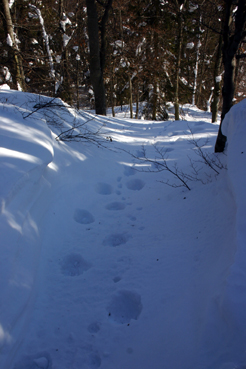
During fieldwork for White Wilderness 2012: Carpathian Wolf Watch, we were pretty surprised to come across fresh tracks of bears in Veľká Fatra and Nízke Tatry. Why? Because it was -25°C and there was between one and two metres of snow on the ground! I remembered that while compiling a report for WWF on bears in Slovakia I had read an article describing observations of bears in the Western Tatras in the 1980s in which the author, forester K. Halák, mentioned seeing signs of bears in winter not only when temperatures warmed up, as would be expected, but also during very cold periods. I was never quite sure if I entirely believed this assertion, but now we have corroborating evidence. Veľká Fatra National Park staff told us they had found tracks of several different individuals while two bears were reported to be active in less frequented areas of Slovenský raj, possibly due to the unusually long and warm autumn. I also got a phone call from one of our beekeepers to say that a bear had approached - but did not breach - the electric fence we helped him set up around his apriary in Horehronie.


January
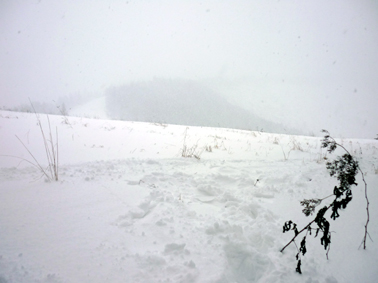
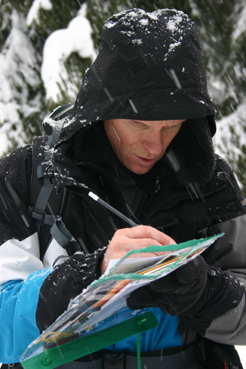
The snow has finally arrived! And in dramatic fashion, with a fairly major storm on 14-15 January covering our study area just in time for "White Wilderness 2012: Carpathian Wolf Watch". This is the third field season of our project bringing together international volunteers and local people, nature conservationists, foresters, landowners and hunters in order to objectively monitor populations of wolf, lynx and their prey. Under the close supervision of experienced project staff, volunteers track animals and collect samples for DNA analysis, which will allow us to determine the minimum number of large carnivores in the area as well as to detect changes which could require intervention.